
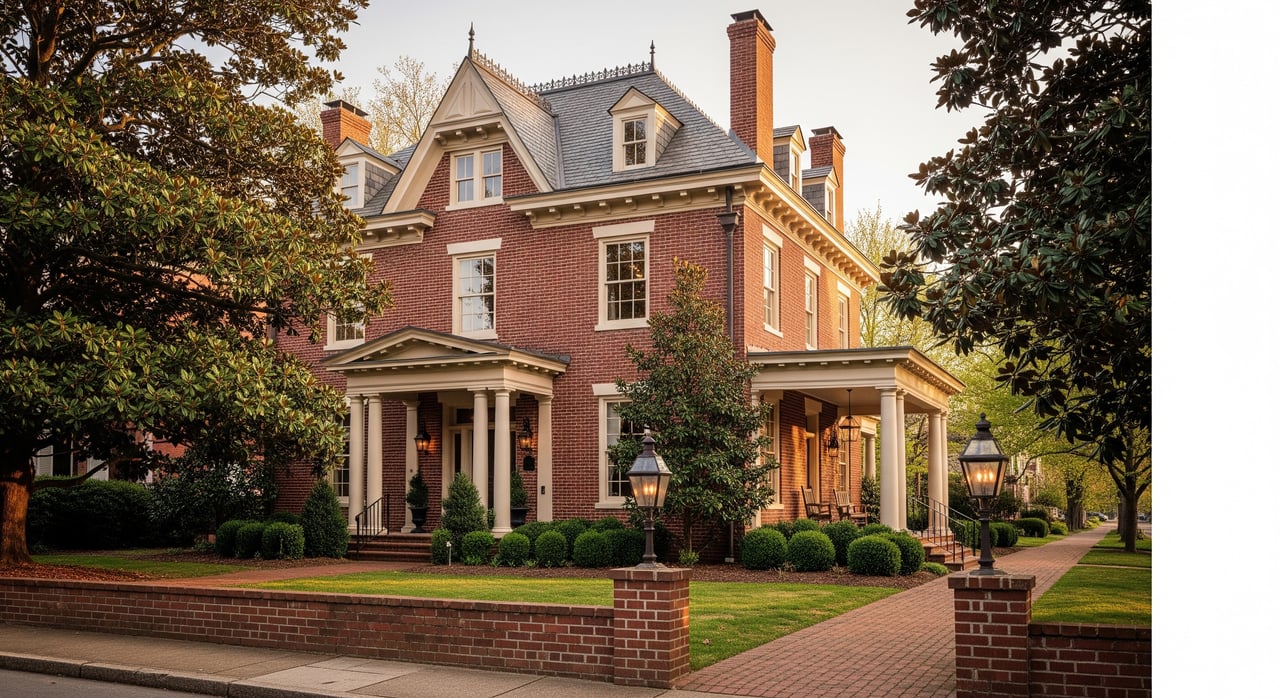
You love the charm of a Hillsboro West End porch swing and tree‑lined streets, but the words “historic overlay” can raise questions fast. You want confidence that your plans, from a new kitchen to a rear addition, will fit the rules and your lifestyle. In this guide, you’ll learn how the overlay works, what changes require approval, how long it takes, and the smartest steps to take before you write an offer. Let’s dive in.
What a historic overlay means
A historic overlay is a local zoning layer that protects neighborhood character. It regulates exterior changes that are visible from the street, new construction, and demolition so work stays compatible with the district. It does not freeze a home in time. It sets a review process to manage change thoughtfully.
Local overlays are different from the National Register of Historic Places. A National Register listing is recognition at the federal level and can provide access to certain incentives for income‑producing properties, but it does not by itself restrict your project unless federal funds or permits are involved. You can learn more about the National Register on the National Park Service’s overview page at the National Register of Historic Places.
Most communities use design standards based on the Secretary of the Interior’s Standards for Rehabilitation. These standards aim to preserve character while allowing modern function.
What changes are reviewed
If it is visible from the street, plan on review. Hillsboro West End’s overlay will focus on exterior features and any new construction that can be seen from the public way. Interiors are generally not regulated unless a rare interior landmark designation exists. Always verify with Metro Planning.
Common review items include:
- Rooflines, siding, masonry, trim, chimneys, porches, steps, doors, and windows.
- Additions and new construction. Scale, placement, roof forms, window proportions, and materials must be compatible. Rear or side additions that are set back and subordinate are usually easier to approve.
- Garages and accessory structures. New garages and large rear additions are carefully reviewed for scale and site placement.
- Porches and front facades. Porches are character‑defining. Enclosing a front porch or changing its footprint is commonly regulated.
- Materials, repair, and replacement. Repair in kind is preferred. Replacement often needs to match original materials or an approved alternative.
- Mechanical equipment and solar. Placement usually must minimize street visibility. Plan solar installations and rooftop equipment where they are least visible.
- Fences and site features. Front yard fences, retaining walls, and visible site changes may be regulated.
- Demolition and relocation. Demolition requires formal review and can be denied, delayed, or conditioned.
Some districts also review exterior paint colors. Policies vary, so confirm the local guidelines for Hillsboro West End before you plan a palette.
Approvals and timelines in Nashville
Most exterior work in a historic overlay requires a formal approval, often called a Certificate of Appropriateness. You submit drawings, photos, materials, and a scope of work. Staff determine if your project can be approved administratively or if it needs a commission hearing.
- Staff review. Routine, clearly compatible work can sometimes be approved by staff. Expect a timeline of days to a few weeks, depending on completeness and workload.
- Commission hearing. Larger additions, new construction, demolition, or anything not clearly covered by guidelines usually goes to a monthly commission meeting. Plan several weeks for staff review and hearing placement, plus time for any revisions.
- Public notice and input. Some applications require notice and a public hearing. Neighbors may have an opportunity to comment.
- Appeals. Decisions can often be appealed to a higher board within a set window, which adds time.
Typical timeframes vary by scope and completeness:
- Minor maintenance reviewed by staff: about 2 to 6 weeks from inquiry to approval.
- Additions or visible alterations that need a commission hearing: about 6 to 16 weeks or more.
- Demolition review: often takes months and may include waiting periods.
Expect application and permit fees. You may also need architectural drawings, historic photos, and other documentation.
Due diligence before you write the offer
A little homework upfront will save you time and money later. Use this checklist while you are touring and negotiating:
- Confirm the overlay boundary. Check Metro Nashville’s zoning or GIS maps on nashville.gov to verify the parcel is inside the Hillsboro West End historic overlay and whether any landmark status applies.
- Request records from the seller. Ask for copies of any past approvals, such as porch enclosures, window replacements, roof changes, additions, fences, or garages. Pull permit and inspection history.
- Ask planning staff for guidance. Request the applicable design guidelines, the list of activities that require approval, current processing times, fees, and hearing schedules.
- Inspect historic elements closely. Pay special attention to roof, foundation, porch structure, siding, and windows. Deferred maintenance can trigger work that requires approvals.
- Consult experienced pros early. Engage an architect or preservation consultant familiar with Nashville’s reviews and a contractor who has permitted work in historic overlays.
- Review title for easements or covenants. A preservation easement can add separate restrictions.
- Consider insurance and hazards. Older homes can have higher maintenance and insurance needs. Some insurers may require upgrades for older systems.
Renovation goals in Hillsboro West End
Your home should work for the way you live. The overlay does not prevent thoughtful upgrades. It guides them.
Planning an addition or garage
You can often add space with a rear or side addition that reads as secondary to the main house. Design, scale, setback, and roof form matter. A new garage or accessory structure should be sited and scaled to fit the lot and streetscape.
Windows and exterior materials
Historic windows and siding are key character elements. Repair is usually preferred. If replacement is necessary, you will likely need to match the historic appearance, including proportions and muntin patterns, or use an approved alternative that meets the guidelines.
Energy and accessibility updates
Energy retrofits are encouraged when they do not harm the character. Plan solar arrays and mechanicals to reduce street visibility. Accessibility features like ramps or lifts may need creative placement and design to balance code needs with the home’s historic look.
Costs, financing, and incentives
Historic homes often require specialized materials and craftspeople, which can increase costs. Budget for professional drawings, application fees, and potential design revisions during review. Clear documentation helps your lender understand the scope and timing of your project.
For income‑producing historic properties, the federal Historic Rehabilitation Tax Credit can be a meaningful incentive. Owner‑occupied residences typically do not qualify. You can learn about the federal framework using the Secretary of the Interior’s Standards. State or local incentives can change, so confirm current programs with Metro Nashville or the state historic preservation office.
For larger renovations, financing tools like FHA 203(k) or Fannie Mae HomeStyle Renovation loans may be options. Your lender will want clarity that the planned work can receive required approvals within a reasonable timeline.
Resale and market considerations
Historic overlays can be a selling point. Neighborhood character and design consistency often help maintain demand. Research from preservation organizations indicates that local historic districts tend to have neutral to positive effects on property values, though outcomes depend on local market conditions and specific rules. Explore broader context through the National Trust for Historic Preservation’s resources.
Consider the tradeoff. The buyer pool can be narrower for projects that require unrestricted transformation. On the other hand, documented approvals, preserved features, and clear records can boost market confidence when you sell.
Buyer action plan
Follow this step‑by‑step path to move from interest to a confident purchase:
- Confirm overlay status on Metro Nashville’s zoning or GIS tools.
- Request all past approvals and permits from the seller, and order a full inspection focused on character‑defining elements.
- Review the design guidelines for Hillsboro West End or schedule a pre‑application check‑in with planning staff.
- If changes are planned, hire an architect or contractor who regularly works in Nashville’s historic overlays.
- Build realistic timelines and budgets that account for submittals, fees, specialized materials, and potential revisions.
- Keep copies of approvals and permits. They will help with future resale and insurance.
Work with a trusted guide
Buying in Hillsboro West End’s historic overlay is about fit and foresight. With the right due diligence and a clear plan, you can protect character, add comfort, and enjoy the neighborhood you love. Our team pairs white‑glove buyer representation with deep local process knowledge, from pre‑application strategy to coordinating design and contractor introductions. If you are exploring a Hillsboro West End home, we are ready to help you move with confidence.
Ready to take the next step? Connect with Chrisley & Co. to schedule a private consultation.
FAQs
What is a historic overlay in Hillsboro West End?
- It is a local zoning layer that guides exterior changes visible from the street, new construction, and demolition so work stays compatible with neighborhood character.
Are interiors regulated in the Hillsboro West End overlay?
- Interiors are generally not regulated unless a rare interior landmark designation applies, so verify specifics with Metro Planning before you renovate inside.
How long do approvals take for Hillsboro West End projects?
- Minor staff‑level items can take a few weeks, while additions or visible changes that need a commission hearing can take 6 to 16 weeks or more.
Can I add a rear addition or build a garage in the overlay?
- Often yes, if the design is compatible, scaled as subordinate to the main house, and sited to reduce street prominence, which makes approval more likely.
Can I replace historic windows in Hillsboro West End?
- Replacement depends on condition and guidelines, with repair preferred; if replacement is allowed, it usually must match historic appearance or an approved alternative.
Do historic overlays raise my property taxes?
- Not inherently; taxes depend on assessments and any incentive programs, so consult the county property assessor and ask about local tax relief options.