
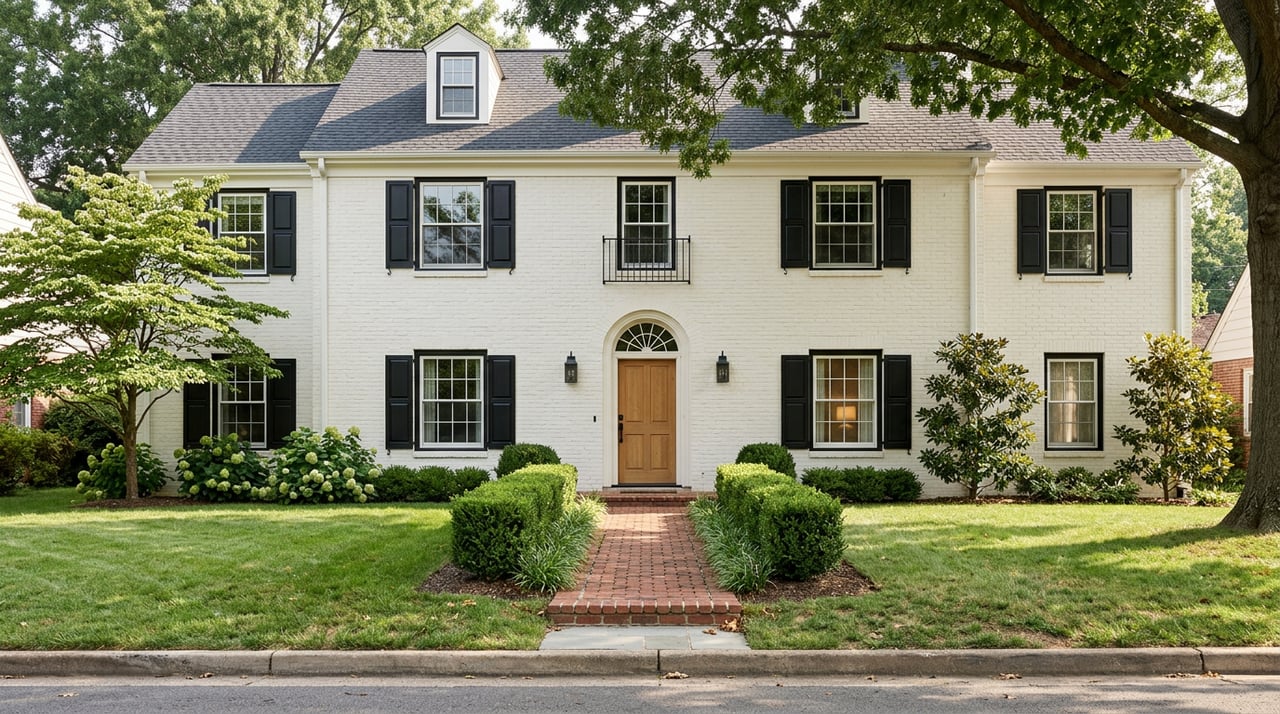
Do you picture yourself on a wide front porch near Main Street, or in a turnkey home steps from a clubhouse and pool? In Franklin, you can have either lifestyle, but each path comes with different rules, costs, and long-term value. If you are weighing historic charm against new-build convenience, you are not alone.
In this guide, you will compare what matters most for Franklin and greater Williamson County: character and architecture, maintenance and insurance, energy performance, HOA expectations, financing for upgrades, and resale. You will also get a simple decision framework and a buyer checklist you can use on your next tour. Let’s dive in.
Franklin market snapshot
Franklin and Williamson County are high-demand, high-price markets. Recent public sources show different figures because they track different geographies and methods:
- Zillow’s Franklin city Home Value Index was about $894,000 through December 31, 2025.
- Redfin’s reported Franklin median sale price was near $875,000 in January 2026.
- Realtor.com showed a Williamson County median near $1.1 million for the same period.
The key is context. City-level data will differ from county-level data, and model-based indexes track differently from closed-sale medians. Use multiple sources and current comps with your agent before setting a budget.
Historic districts at a glance
Franklin’s most recognizable historic neighborhoods sit inside the City’s Historic Preservation Overlay and named districts like Hincheyville, Lewisburg Avenue, Adams Street, and the Downtown Local Historic District. Many homes date from the 1800s through the 1930s and feature Federal, Greek Revival, Victorian, Queen Anne, Craftsman, and bungalow styles. If you plan exterior work, most visible changes require review by the Historic Zoning Commission and a Certificate of Appropriateness. You can confirm a property’s status and the review process on the City’s overview of the Historic Preservation Overlay.
What you will love: period details, original millwork, deep porches, mature trees, and walkability to Main Street. What to expect: tighter urban lots, rooms that may be smaller or irregular, and a formal design review for exterior alterations. The City’s Historic District Design Guidelines outline standards for things like windows, porches, dormers, and even solar placement that is visible from primary façades.
New builds and amenities
On the other side of the decision are planned communities and newer subdivisions around Franklin, such as Westhaven and Berry Farms. These neighborhoods typically offer open floor plans, modern systems, predictable specs, and community amenities like pools, clubhouses, trails, and structured HOA services. Architectural Review Board rules still guide home exteriors, driveway and garage placement, and materials, which helps maintain a cohesive streetscape.
What you will love: turnkey living, energy-code-compliant construction, larger closets and garages, and community features. What to expect: HOA fees, uniform design standards, and less architectural uniqueness compared with a one-of-a-kind historic home.
Architecture and lifestyle tradeoffs
- Historic homes deliver character first. You get original materials, unique trim, and a sense of place that is hard to reproduce. HPO protections help keep neighborhood character intact.
- New construction prioritizes function. You get open kitchens, primary-on-main options, flexible office spaces, and modern windows and insulation that fit many buyers’ daily needs.
Your choice is not only a house style. It is a lifestyle. If you value walkability and heritage, historic may be worth the added care. If you want convenience and amenities, new-build neighborhoods will likely fit better.
Maintenance and risk facts
Older homes can mean older systems. Some properties may still have galvanized plumbing, outdated wiring, or aging roofs and HVAC. Materials like original wood windows or decorative trim can be costly to repair correctly and often require specialized trades. Insurers and lenders pay attention to these conditions. Older roofs or wiring can prompt higher insurance quotes or more underwriting questions until updates are complete. For background on common insurance factors, review this consumer overview of how insurers price risk.
New homes usually carry lower near-term capital risk. Roofs, mechanicals, and appliances are new and under warranty. Many planned communities handle common-area maintenance, and some product types include exterior maintenance in HOA dues. You still want to budget for routine care, but you are less likely to face a big-ticket surprise in year one.
Renovation scope and safety
If you renovate a pre-1978 home, plan for lead-safe practices. Federal rules require disclosures, and renovation contractors must follow EPA RRP training and containment procedures. These steps add time and cost but protect your household. You can see how the EPA enforces these lead-safe renovation requirements.
Budgeting for ROI
If you upgrade for resale, focus on projects that tend to recoup more. National benchmarks show items like a new entry door, garage door, siding, modest kitchen refreshes, and attic insulation often deliver stronger payback than large luxury additions. Review the latest Cost vs. Value report as a starting point, then get local bids to reflect Franklin labor and materials.
Energy, codes, and upgrades
New construction in Franklin is built to the adopted residential energy code in effect at the time of permit. Tennessee’s statewide baseline has been aligned with the 2018 IECC, with local amendments. That typically means better insulation, tighter ducts, efficient HVAC, and up-to-date windows. You can check Tennessee’s current adoption status on EnergyCodes.gov.
Older homes can be made far more efficient with the right plan. Start with a professional home energy assessment to identify the highest impact, cost-effective measures. Air sealing, attic and wall insulation, duct sealing, and high-efficiency heat pumps are common wins. The Department of Energy explains how professional home energy assessments help you sequence upgrades for the best results.
If your property is inside the HPO, exterior changes that affect appearance may require design review. That includes visible window replacements, porch alterations, dormers, and solar on primary elevations. The City’s Historic District Design Guidelines detail how modern features can be integrated on historic façades, usually with careful placement and design.
HOAs and rules to review
If you are looking at a master-planned neighborhood, request the full HOA document set early. At minimum, review:
- Covenants, Conditions and Restrictions, and any Architectural Review Board rules.
- Current fee schedule and what is included, especially for townhome or condo product.
- Financial statements, reserve study, and any planned assessments.
- Rental policies, exterior material rules, and the approval process with timelines.
Even without an HOA, downtown historic properties operate under the HPO. Confirm whether the address is inside the Overlay and ask for any prior Certificates of Appropriateness. The City’s HPO overview explains how to verify status and what to expect.
Financing and incentives
Renovation-aware mortgages can make the difference when you love a home that needs work. FHA 203(k) loans allow you to combine purchase and rehab funds into one mortgage. There are limited and standard versions to match your scope. Learn the basics from HUD’s overview of FHA 203(k) loans. Fannie Mae HomeStyle Renovation is a conventional alternative with similar one-loan convenience. Ask your lender which fits your credit profile and project.
For true historic rehabilitation, know that the 20 percent Federal Historic Tax Credit applies to certified historic structures used for income-producing purposes, not typically for owner-occupied primary residences. If you are exploring a rental or mixed-use rehab, review eligibility with the National Park Service’s Historic Tax Credit guidance and consult the Tennessee Historical Commission.
Resale and long-term value
Historic character and walkability near Main Street have a durable appeal, but supply is limited and each property is unique. HPO protections support neighborhood integrity, which helps long-term value, but the review process can add time to exterior renovations. That can matter if your plan relies on a fast remodel and resale.
Newer communities attract steady demand from buyers who want modern systems, energy efficiency, and amenities. Appraisals can be more straightforward because there are more recent comparable sales within the same subdivision. If you renovate an older home to compete with new, blend local comps with cost-based evidence to show value.
Also consider property taxes. Williamson County conducts reappraisals that can shift assessed values and tax bills, even when certified tax rates aim to be revenue neutral. Stay aware of timing and process by watching local updates like this reminder about the 2025 county reappraisal and certified rate.
Quick decision guide
Use these four simple tests to clarify your best fit:
Budget-first test
- If you want a firm ceiling on total spend with low surprise risk, favor new construction or historic homes with recent system updates and strong inspection reports.
Lifestyle-first test
- If walkability to Main Street, period details, and mature landscaping top your list, historic districts align well. Plan and budget for ongoing maintenance.
Time and hassle tolerance test
- If you need move-in ready, lean newer or find a historic home already modernized. If staged upgrades are fine, consider renovation financing like FHA 203(k) to bundle improvements.
Investment and ROI test
- If near-term resale is your goal, focus on smaller, high-recoup projects rather than large luxury additions. Let the Cost vs. Value report guide priorities, then refine with Franklin comps.
Buyer checklist for Franklin
Use this list before you write an offer:
- Confirm the exact address and whether it sits inside the Historic Preservation Overlay. Ask for any prior Certificates of Appropriateness. Start with the City’s HPO overview.
- Request recent inspection reports, permits for past major work, and any contractor warranties.
- For HOA communities, obtain CC&Rs, Architectural Review Board rules, fee schedules, financials, and the latest reserve study.
- For older homes, order a professional energy audit or at least request a year of utility bills plus basic blower-door and infrared scan findings. Learn how audits work from the DOE’s home energy assessment guide.
- For pre-1978 homes, review lead-based paint disclosures and confirm your contractor follows EPA RRP requirements.
- Get quotes for insurance and any immediate system replacements like roof, HVAC, electrical, or plumbing so you understand first-year cash needs. See common pricing factors in this insurance overview.
- Explore renovation financing options. Start with FHA 203(k) and ask your lender about conventional HomeStyle Renovation.
Final thoughts
Your Franklin dream home can be a story-rich cottage near Main Street or a modern residence with every comfort built in. The right choice depends on your budget, your lifestyle priorities, and your appetite for projects. With clear expectations, the right financing, and a trusted advocate, you can buy with confidence and enjoy the best of Williamson County.
If you want a calm, concierge path to your decision, let us guide you through off-market options, detailed comps, and vetted vendor teams. Connect with Chrisley & Co. to schedule a private consultation.
FAQs
What are the key differences between historic and new homes in Franklin?
- Historic homes offer unique character and walkable locations but require HPO design review for visible exterior changes. New builds prioritize turnkey systems, open plans, and community amenities with HOA rules and fees.
How do energy codes affect new construction in Franklin?
- New homes are built to the energy code adopted at permit time, aligned with Tennessee’s statewide baseline. Expect better insulation, sealed ducts, and efficient HVAC compared with older homes.
Can I add solar panels or replace windows on a historic Franklin home?
- Yes, but placement and appearance often require Historic Zoning Commission approval. Review the City’s Historic District Design Guidelines to plan compliant solutions.
What financing helps if a historic home needs updates?
- FHA 203(k) and conventional HomeStyle Renovation loans let you roll purchase and rehab costs into one mortgage. Ask your lender which program fits your credit and project scope.
Will insurance cost more for an older Franklin home?
- It can. Insurers may flag older roofs, wiring, or plumbing and price policies accordingly until systems are updated. Get quotes early to understand your total monthly cost.
How could Williamson County reappraisals change my tax bill?
- Reappraisals can shift assessed values, and certified tax rates may adjust to keep revenue neutral. Your net bill can change even if rates move, so confirm timing and estimates with your agent and the county.