
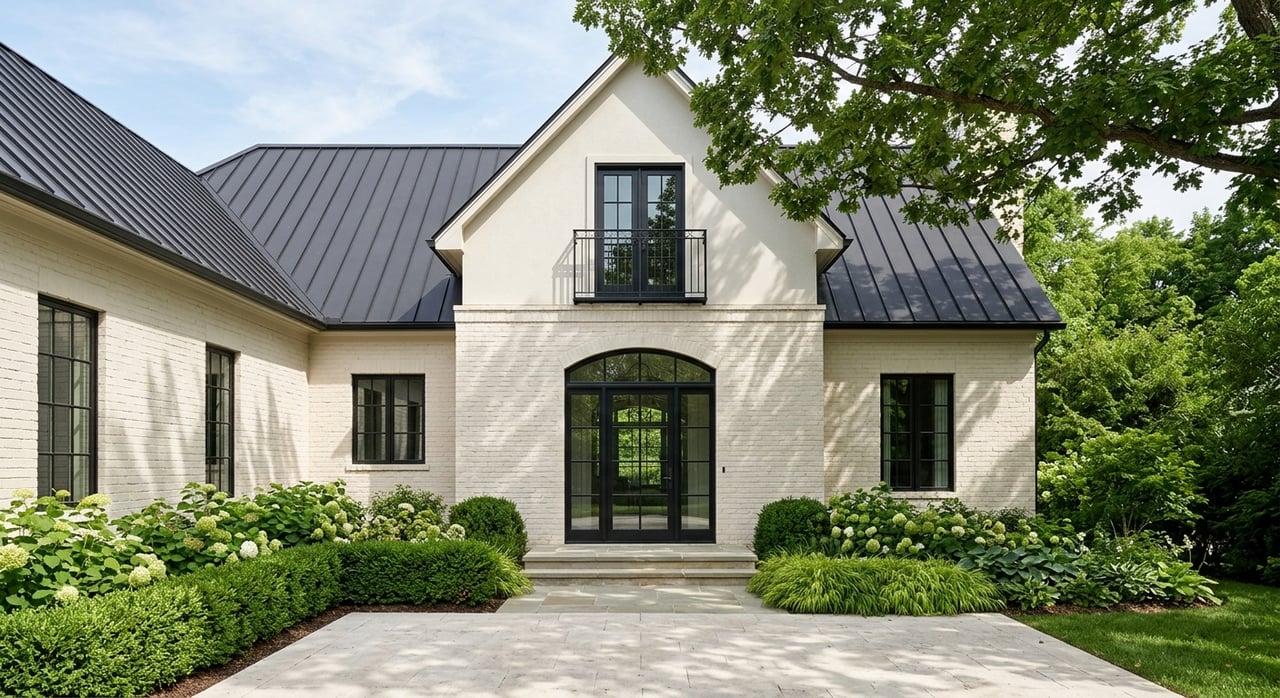
If you are torn between a home with history and a home with polished, planned convenience, Franklin makes that choice especially interesting. In one direction, you have a walkable historic core with preserved architecture and Main Street energy. In the other, you have newer enclaves built around amenities, open space, and modern routines. If you are trying to decide which version of Franklin fits your lifestyle best, this guide will help you weigh the trade-offs clearly. Let’s dive in.
Franklin Offers Two Distinct Lifestyles
Franklin is best understood as two overlapping housing markets. One centers on downtown and the historic district, where preserved buildings, brick sidewalks, and a dense Main Street create a strong sense of place. The other stretches into newer growth areas, where master-planned communities shape daily life through amenities, trails, and organized neighborhood design.
Neither option is automatically better. The right fit depends on how you want to live, how you move through your week, and what kind of home environment feels most natural to you.
Historic Franklin: Character First
Downtown Franklin includes a 15-block historic district known for preserved architecture and a walkable layout. If you want to step outside and feel connected to shops, restaurants, galleries, and events, this part of town offers that experience in a very immediate way.
Historic Franklin homes often date to the 19th and early 20th centuries. Local design guidelines point to architectural styles such as Greek Revival, Italianate, and Victorian, along with features like porches, gabled or hipped roofs, and exterior materials such as brick, stone, or wood.
That gives many homes a sense of craftsmanship and individuality that can be hard to replicate. Lot patterns also tend to feel more traditional, with shallow to moderate front yards and side or rear yards that reflect older neighborhood design.
Why buyers love historic homes
If you are drawn to story, detail, and authenticity, the historic district may speak to you right away. Buyers often appreciate:
- Distinctive architectural character
- Close access to Main Street
- Walkable surroundings
- A preserved town-center atmosphere
- Homes with one-of-a-kind details
For lifestyle-minded buyers, this part of Franklin can feel especially engaging. Daily errands, dining plans, or a casual evening stroll may require less driving and more walking.
What to consider before you buy
Historic character comes with added responsibility. In Franklin’s Historic Preservation Overlay, many exterior changes require a Certificate of Appropriateness before work can begin.
City materials state that this review can apply to new construction, additions, demolition, fences and walls, window replacement, and siding or roofing work beyond routine maintenance. For you as a buyer, that means renovation freedom is more limited than it would be in a typical subdivision.
This does not have to be a negative. In fact, many buyers value the consistency and preservation standards because they help protect the area’s historic integrity. Still, you should go in knowing that design decisions may involve more review, more planning, and more patience.
Newer Enclaves: Convenience By Design
Franklin’s newer communities offer a different kind of appeal. Instead of preservation rules shaping the neighborhood, planned-development standards and community design controls often guide the look, layout, and amenities.
The city’s planning framework calls for new development to preserve large open spaces, connect trails and sidewalks, and include features like clubhouses, playgrounds, pools, and multi-use paths. That makes many newer enclaves feel organized, intentional, and lifestyle-focused.
Berry Farms reflects this model well. It describes a 600-acre mixed-use master-planned district at the I-65 and Peytonsville interchange, with homes within a short walk of shops, restaurants, offices, parks, and amenities like a pool, pool house, and bocce ball courts.
Westhaven shows another version of this living style. The community includes front-porch townhomes, a village center, trails, pools, club amenities, and golf, all wrapped into one master-planned setting.
Why buyers choose newer communities
If you want a more streamlined day-to-day experience, a newer enclave may feel easier to live in. Buyers are often drawn to:
- Modern construction patterns
- Amenity-rich community design
- More open space
- Internal sidewalks and trail connections
- Easier access to major roads and interchanges
- Design consistency across the neighborhood
Some newer communities also borrow from Franklin’s traditional look. Berry Farms, for example, uses classic Federal-style architecture to echo the city’s historic character, even though the neighborhood itself is newly planned.
What to consider before you buy
Newer does not always mean fewer rules. Instead of preservation review, you may encounter HOA-style or architectural review processes.
Berry Farms, for instance, requires Town Architect approval for architectural and landscape changes. So while the review framework is different from the historic district, you still may not have total freedom to change the exterior of your home.
The main difference is usually the purpose of the rules. Historic review focuses on preserving architectural integrity, while newer communities often focus on maintaining a cohesive planned appearance.
Walkability Versus Space
One of the biggest decision points in Franklin is how much walkability matters to you. In historic Franklin, the upside is obvious: you are closer to the city’s Main Street core and the rhythm of downtown life.
If you picture your ideal weekend including coffee, shopping, dinner, or local events without constantly getting in the car, that may carry real weight. The trade-off is that homes and lots often follow older patterns, which may mean less yard space or a layout that feels more compact than homes in newer communities.
In newer enclaves, you may gain more open space, larger neighborhood footprints, and a more planned sense of privacy. You may still have sidewalks, trails, and even nearby retail, but the experience is different. It tends to feel less like a preserved downtown and more like a self-contained residential lifestyle.
Parking And Hosting Matter More Than You Think
Many buyers focus on architecture first, then realize later that parking can shape everyday life. In downtown Franklin, on-street parking is time-limited, and while city garages are free, they are capped at 24 hours.
That setup supports a lively, walkable core, but it may feel less convenient if you host often or expect easy curbside parking for guests. If entertaining at home is a big part of your lifestyle, this is worth thinking through early.
In newer communities, parking and access are often more predictable. That can make gatherings, service visits, and daily comings and goings feel simpler.
Commute Patterns Can Break The Tie
If you are deciding between historic Franklin and a newer edge community, your commute may be the factor that settles it. Franklin is about 21 miles south of downtown Nashville, and citywide mean travel time to work is reported at 24.5 minutes.
The city highlights access through I-65 and State Route 840, while communities like Berry Farms emphasize their location at key interchanges. For some buyers, that kind of highway access makes a meaningful difference in daily routine.
A simple way to think about it is this:
- If you commute within Franklin or prioritize being near Main Street activity, the historic core may feel more aligned.
- If you commute toward Nashville or want easier highway connections, a newer edge community may make more sense.
- If you split time between work, errands, and social plans across multiple areas, compare your most common routes before choosing a home style.
Preservation Review Or Design Review?
This question sounds technical, but it is really about how you want to own and care for your home. In Historic Franklin, exterior work is more closely regulated through the Certificate of Appropriateness process.
That structure helps preserve the visual consistency and architectural value of the district. It can also mean more coordination when you want to replace windows, change roofing, build an addition, or alter exterior elements.
In newer enclaves, review is often handled through community-specific architectural oversight. That process may still involve approvals, but it usually centers on keeping the neighborhood aligned with the original master plan.
If you love the idea of preserving a home’s historic identity, the historic district may feel rewarding. If you prefer a newer home with neighborhood standards that support a polished, coordinated look, a master-planned community may fit better.
How To Choose Your Best Fit
If you are still undecided, start with your daily habits rather than your Pinterest board. The right home is not just about style. It is about how well the property supports your real life.
Ask yourself:
- Do you want immediate access to Main Street and a walkable core?
- Do you prefer historic architectural character or newer construction patterns?
- How important are pools, trails, club spaces, or other built-in amenities?
- How often do you host guests who will need easy parking?
- Would you rather navigate preservation review or community design review?
- Is your commute centered on downtown Nashville, Cool Springs, or mostly within Franklin?
When you answer those questions honestly, the choice usually becomes clearer. Historic Franklin tends to suit buyers who want charm, access, and a preserved town-center feel. Newer enclaves tend to suit buyers who want amenities, open space, and a more programmed residential lifestyle.
There is no one-size-fits-all answer in Franklin, and that is part of what makes the market so compelling. The key is finding the version of Franklin that matches the way you want to live now, not just the way a home looks in photos.
If you want help narrowing the field, comparing neighborhoods, or identifying the right fit for your lifestyle, Chrisley & Co. offers a curated, high-touch approach designed to make your move feel clear, strategic, and personal.
FAQs
What is the difference between historic Franklin and newer Franklin communities?
- Historic Franklin centers on a walkable downtown district with older architecture and preservation review, while newer Franklin communities usually offer master-planned amenities, open space, and design standards shaped by planned development.
Do homes in historic Franklin have renovation restrictions?
- Yes. In Franklin’s Historic Preservation Overlay, many exterior changes require a Certificate of Appropriateness before work begins, including some additions, window replacements, roofing, siding, fences, and demolition work.
Are newer Franklin neighborhoods still design-controlled?
- Yes. Many newer communities use architectural or landscape review to maintain a consistent look, even though the process is different from historic preservation review.
Is downtown Franklin more walkable than newer communities?
- Yes. Downtown Franklin is known for its walkable layout, preserved Main Street setting, and access to shops, restaurants, galleries, and events.
Do newer Franklin communities offer more amenities?
- Often, yes. Planned communities in Franklin may include features such as pools, clubhouses, trails, playgrounds, parks, golf, and mixed-use areas with shops or restaurants.
Which Franklin home style is better for commuters?
- It depends on where you travel most. Historic-core buyers may prioritize downtown access and walkability, while buyers in newer edge communities often benefit from easier access to I-65, State Route 840, and major interchanges.